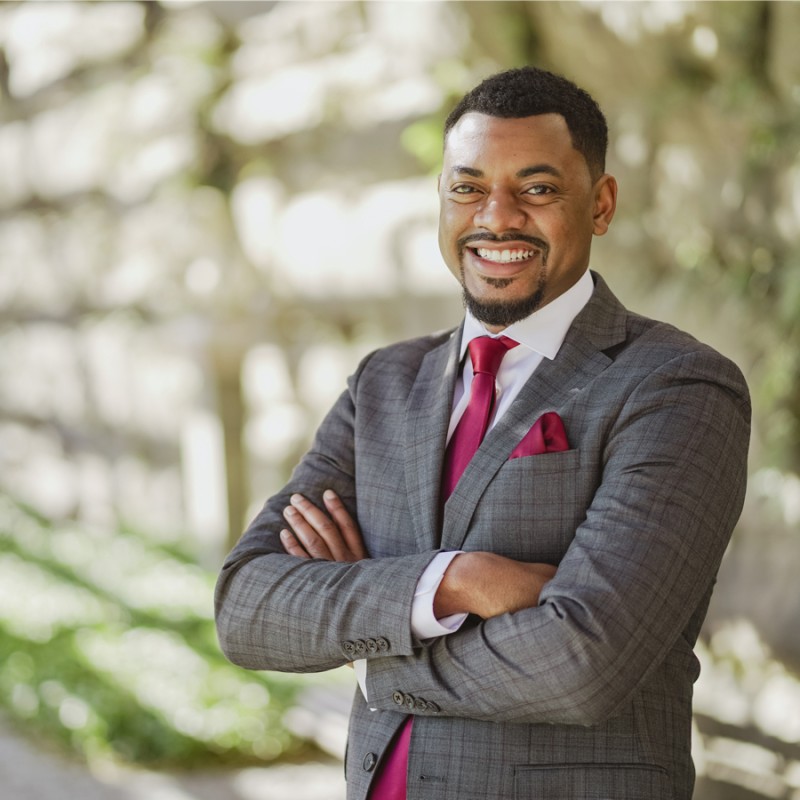
I’m an engineer and AI operator. I build systems for work I actually need to do, then share the methods that make them useful.
Engineering is my foundation. Markets sharpen my analysis. Strategy shapes how I decide. Today, those disciplines come together in the agent fleets I build and operate.
16+ yearsin the critical core paths of innovative tech
ChannelAdvisor / Genesys / Pendo / SAS
Four disciplines. One way of working.
The connection is practical: understand the system, evaluate the evidence, choose a direction, and take responsibility for what happens next.
Engineering
Build something that holds up.
Distributed systems, enterprise SaaS, blockchain architecture, and production AI/ML. Different domains; the same responsibility to understand the system, make the tradeoffs, and deliver working software.
25+ years studying military strategic doctrine: Sun Tzu, Clausewitz, Boyd, and Liddell Hart. That study informs how I think about constraints, feedback, priorities, and the decisions an operator must keep.
7+ years in markets. As Chief Blockchain Analyst at Hive Mind Crypto, I educated 300+ investors on blockchain and market structure. That analytical work became InDecision, a six-factor framework for evaluating market signals.
I started building agent fleets in 2025. Today, engineering, analysis, and strategy meet in an agent organization with shared context, specialized roles, and a human approver. The work is delegated. The judgment stays with me.
These are the questions I bring to an AI workflow. Open each one to see how it shapes the work.
What problem are we actually solving?
Define the outcome, the constraints, and what a useful result looks like. Give an agent a bounded task and the context it needs. Architecture and scope come before volume.
What evidence says it works?
Inspect the output, exercise the behavior, and check the assumptions. A generated answer is a starting point. A working system needs evidence that survives review.
Which decisions still belong to a person?
Automate repeatable work while keeping judgment explicit. Decide what an agent can do, where it must stop, and who approves the next step. More autonomy requires clearer boundaries.
The products put the approach to work. Teaching makes that practice useful to someone else.
The mission
Tesseract Intelligence
Competitive intelligence brings my engineering, market analysis, and strategic thinking together. It is the primary mission behind the systems I build.
The methods behind the systems are worth sharing. Clear context, bounded tasks, and deliberate review are habits you can practice, starting with one useful agent.